Usual Waterproofing Mistakes Campers Make
There is absolutely nothing quite like awakening in the middle of the night to find your resting bag soaked through, your gear saturated, and your camping tent floor merging with water. A single waterproofing blunder can turn a desire camping journey into a miserable survival workout. The good news is that a lot of these mistakes are totally avoidable. Below is a check out the most usual waterproofing errors campers make-- and just how to stay completely dry on your next journey.
Depending on "Water-proof" Labels Without Testing First
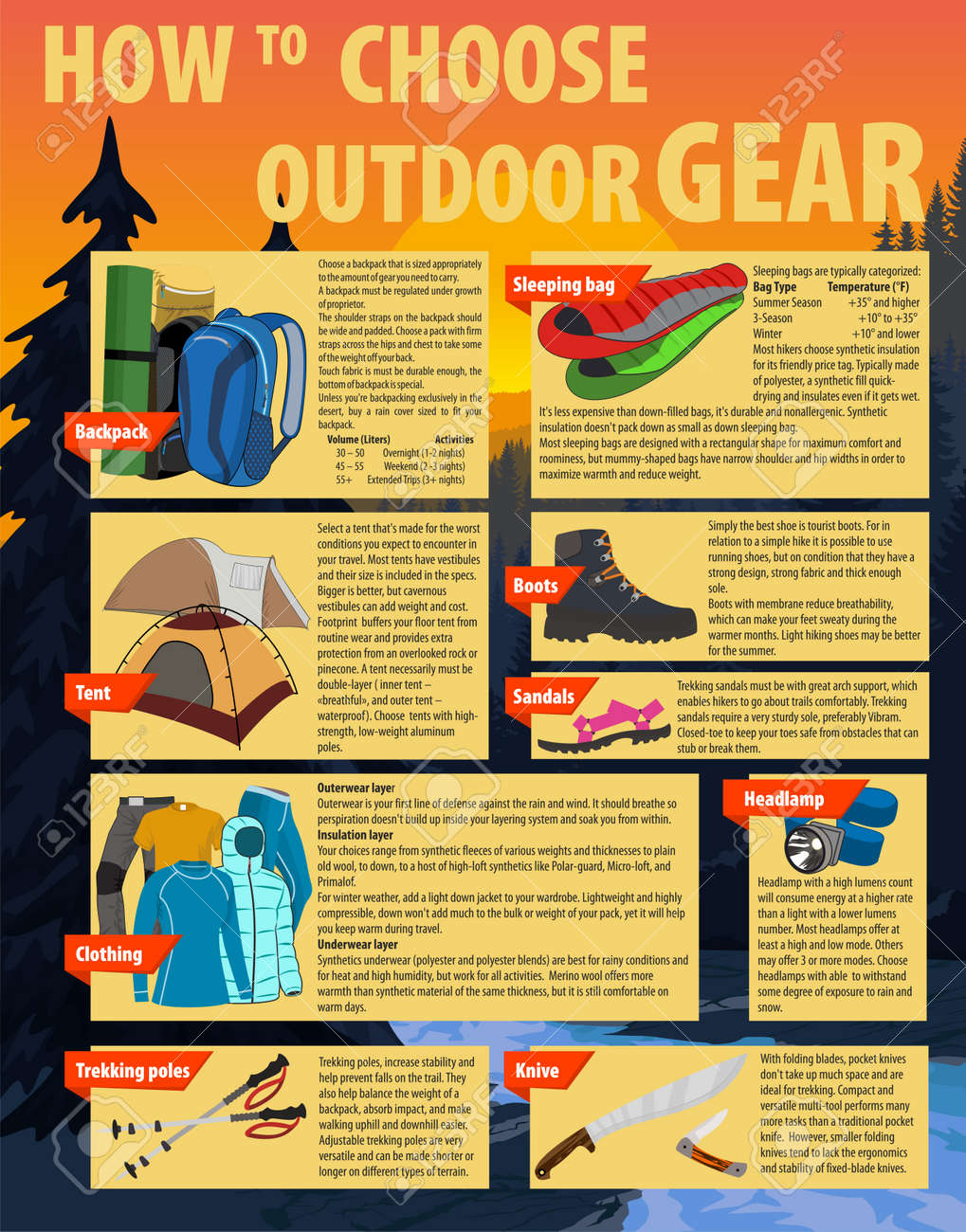
Even if a tent, coat, or backpack is marketed as water-proof does not mean it will certainly perform perfectly straight out of the box-- or after a period of use. Numerous campers make the blunder of trusting the tag without ever before field-testing their gear prior to a trip.
Water-proof ratings, determined in millimeters of hydrostatic head, inform you how much water stress a fabric can stand up to prior to it leaks. A score of 1,500 mm might be fine for light drizzle yet will stop working in a hefty downpour. Always examine your gear at home with a yard tube before counting on it in the backcountry. Splash it down, apply stress, and seek any infiltration.
Missing Seam Sealing
This is just one of the most neglected waterproofing actions, especially among more recent campers. Also tents ranked for hefty rain can leak right through their joints if those seams are not correctly secured. The sewing that holds tent panels together produces little holes-- and water finds each of them.
What to Do Rather
Apply seam sealer to all interior joints of your outdoor tents prior to your trip. Products like silicone-based sealers or polyurethane sealants are extensively available and easy to use. Check the seams after each period, as the sealer can fracture and wear in time. Lots of spending plan tents do not come factory-sealed whatsoever, making this action definitely crucial.
Forgetting to Re-Treat DWR Coatings
Many water resistant coats and rainfall equipment rely on a Resilient Water Repellent (DWR) finishing to make water grain off the surface area. With time and with duplicated cleaning, this coating wears down. When it fails, water no longer beads-- it saturates the outer material, which considerably lowers breathability and at some point causes the jacket to feel cold and clammy even if the internal membrane is still intact.
Campers frequently criticize the jacket itself when the genuine offender is a depleted DWR finishing. Luckily, recovering it is basic. Laundry your equipment with a technological cleaner, then apply a spray-on or wash-in DWR treatment and activate it with a low-heat tumble dry or a warm iron. Do this once a season or whenever you notice water no longer beading externally.
Pitching an Outdoor Tents Without an Impact or Ground Cloth
The ground under your tent is equally as much of a waterproofing problem as the rainfall dropping from over. Rocky or damp dirt can abrade the camping tent floor in time, thinning out its waterproof covering. In wet conditions, groundwater can permeate straight with a degraded flooring.
Selecting the Right Ground Protection
A camping tent footprint-- a shaped ground cloth that matches your tent's flooring-- functions as an obstacle in between the camping tent and the earth. If you use a common tarpaulin instead, ensure it does not extend past the outdoor tents's sides. A tarp that sticks out will certainly channel rainwater underneath your tent as opposed to far from it, which is worse than using no ground cloth at all.
Not Waterproofing Backpacks and Equipment Inside the Load
Numerous campers assume a rainfall cover for their knapsack is enough. It is not. Rain covers can slide, blow off, or let water in from the bottom. In a continual rainstorm, wetness will find its means inside.
The smarter technique is to waterproof from the inside out. Make use of a sturdy pack liner or dry bag inside your knapsack to secure your sleeping bag, apparel, and electronic devices. Pack specific products-- especially anything important-- in smaller sized dry bags or zip-lock bags as an added layer of defense.
Ignoring Site Option
Even the best waterproofing equipment can not compensate for an improperly chosen camping site. Pitching your outdoor tents in a low-lying area, a natural anxiety, or directly downhill from an incline channels water directly towards you when it rainfalls. Constantly search for slightly elevated, flat ground with all-natural drainage.
All-time Low Line
Remaining dry in the outdoors is not just about comfort-- it is a safety problem. Wet gear sheds insulating value, and hypothermia can embed in even in moderate temperature levels. A little preparation prior to you leave home, from seam securing to DWR treatments to clever site choice, can make all the difference in between a great trip and a best camping portable toilet dangerous one. Do not let preventable mistakes wreck your time in the wild.